

The UK will name PSSD in antidepressant leaflets, Sweden counts ten suspected cases, and the head of the NIH talks about PSSD. Everything that happened this month, in one place.

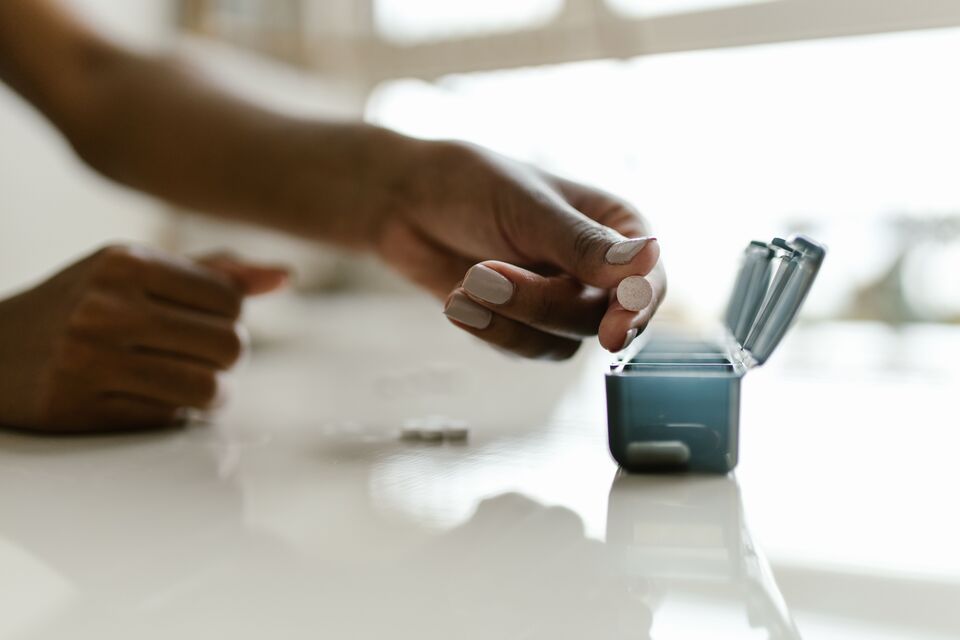
On 15 October, the UK's medicines regulator, the MHRA, announced that the term "Post SSRI Sexual Dysfunction" (PSSD) will be added to the patient information leaflets of antidepressants linked to a risk of sexual dysfunction that may continue after the drug is stopped. The decision follows a review by an expert group of the Commission on Human Medicines, set up after patients and families raised concerns about how this risk was being communicated.
The MHRA's Drug Safety Update lists the medicines this applies to:
- SSRIs: citalopram, escitalopram, fluoxetine, fluvoxamine, paroxetine and sertraline
- SNRIs: duloxetine and venlafaxine
- Tricyclics: amitriptyline and nortriptyline
It is the first time UK leaflets will use the name patients themselves use for the condition.
In the MHRA's words, naming PSSD "will better reflect the experiences of patients and help raise awareness."
The same package adds a boxed warning in leaflets pointing to information on suicidal thoughts, a new patient card in or on the medicine box, and a supporting safety leaflet due in 2027. According to Chemist+Druggist, the revised leaflets are available electronically from this month, with printed copies reaching medicine packs three to six months later.
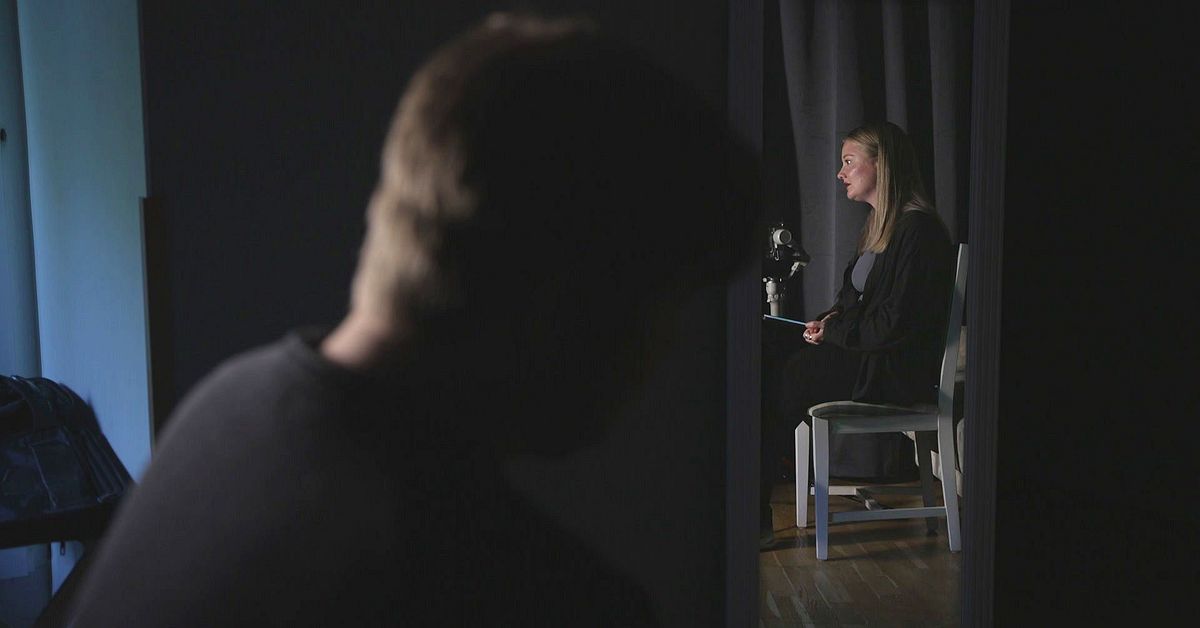
On 26 October, SVT, Sweden's national public broadcaster, reported that the Swedish Medical Products Agency (Läkemedelsverket) has received reports of suspected PSSD in ten people. The article accompanies a new SVT news documentary on PSSD and includes "Johan", who stopped taking antidepressants 18 years ago and says he has not felt sexual desire, sadness or joy since.
A psychiatry researcher at Karolinska Institutet told SVT there are big gaps in knowledge and that patients' experiences need to be taken seriously. The piece also points to the MHRA's decision as a concrete step. Like France's 12 reports in August, it's a small number that most likely reflects under-reporting rather than how many people are affected.
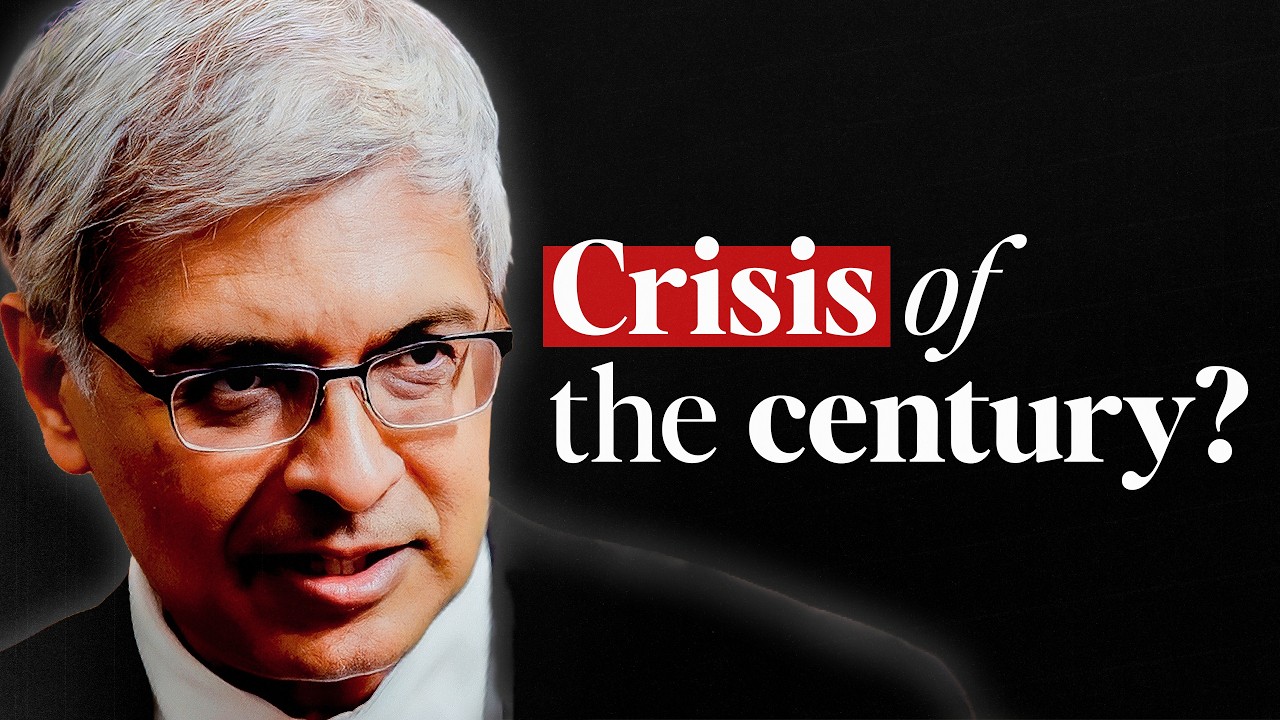
On 6 October, Elliot Bewick, the 21-year-old host of The Next Generation podcast, released an interview with Dr Jay Bhattacharya, Director of the US National Institutes of Health (NIH). Bewick, whose partner Lauren Friedman lives with PSSD, pressed him on antidepressant over-prescription and long-term side effects.
In response, Bhattacharya said the NIH is aware of PSSD and may be interested in answering the scientific questions around it, though he gave no timeline. The NIH is the world's largest public funder of biomedical research, so hearing its director discuss PSSD on the record is a meaningful step.
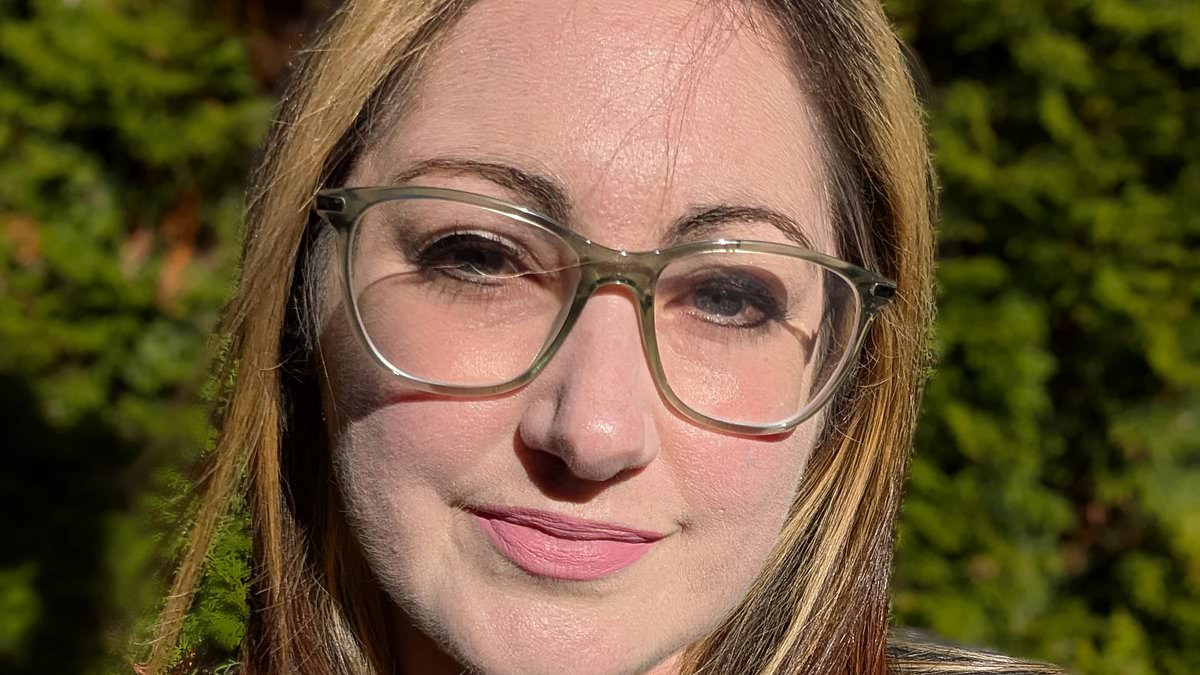
Published the day of the MHRA announcement, the Daily Mail tells the story of Katie Collingwood, 35, from the North East of England, who was prescribed fluoxetine (Prozac) at 21. She stopped after three years, but says her sex drive and ability to feel pleasure never came back. She was diagnosed with PSSD last year.
The article explains what PSSD is, reports that leaflets will now name it, and includes comment from psychiatrist Dr David Healy and Professor Joanna Moncrieff of University College London on why lasting symptoms took so long to be recognised.
The update also reached the publications that doctors, pharmacists and nurses read. That matters, because these are the people patients will turn to with questions about the new leaflet wording.
- The BMJ: "Antidepressants: New safety warnings highlight risk of sexual dysfunction and suicidal thoughts", by Gareth Iacobucci and Rosa Furneaux (16 October, subscription required).
- Chemist+Druggist: the UK pharmacy trade publication set out the changes and the timeline for printed leaflets (15 October).
- Nursing Times: reported that leaflets will name post-SSRI sexual dysfunction (21 October).

On BBC Morning Live on 16 October, Dr Ranj Singh reminded viewers taking SSRIs such as fluoxetine, sertraline and citalopram that sexual dysfunction can continue after stopping. The segment was picked up by the Daily Mirror, the Daily Star and Cambridge News, which also quoted the MHRA naming PSSD. The Irish Mirror ran the same story but left out the term PSSD, describing it only as sexual dysfunction that continues after stopping.
- The Times: an advice column, "Are antidepressants affecting your sex life? Here's what to do" (17 October).
- Daily Star and Cambridge News: the Dr Ranj story, including the MHRA's PSSD wording.
- Irish Mirror: the same story for readers in Ireland, without the term PSSD.
- Beyond the UK: Indonesia's Suara Garut and Kenya's Streamline Feed also covered the change.
Doctors in the UK and US are explaining PSSD to their patients and followers, and citing the regulators that have recognised it.
On 19 October, UK GP Dr Sophie (@drsophiegp, around 6,000 followers) posted a video explaining that sexual side effects can continue after stopping antidepressants in some cases, that this is called PSSD, and that the UK regulator has just strengthened its warnings.
In a Facebook reel on 25 October, Dr Adam Howard walked through what PSSD is, the symptoms people report, and why it is taken seriously, citing the EMA's 2019 label warning and Health Canada's in 2021. He also covered why it remains controversial, and concluded that while PSSD appears uncommon, regulators have acknowledged it and patients who report it deserve to be believed and evaluated.
Dr Ryan S. Sultan, a New York City psychiatrist and clinical researcher, published a guide to antidepressant sexual side effects on 19 October. It describes PSSD, notes the EMA's 2019 requirement for SSRI and SNRI labels to mention it, and says he tells patients starting an SSRI that persistent dysfunction has been reported.
SiggyMD, a US-based, AI-assisted mental healthcare service, updated its guide to SSRI sexual side effects on 13 October with a section on PSSD. It cites the EMA's 2019 label change and the decision by Australia's TGA in 2024.
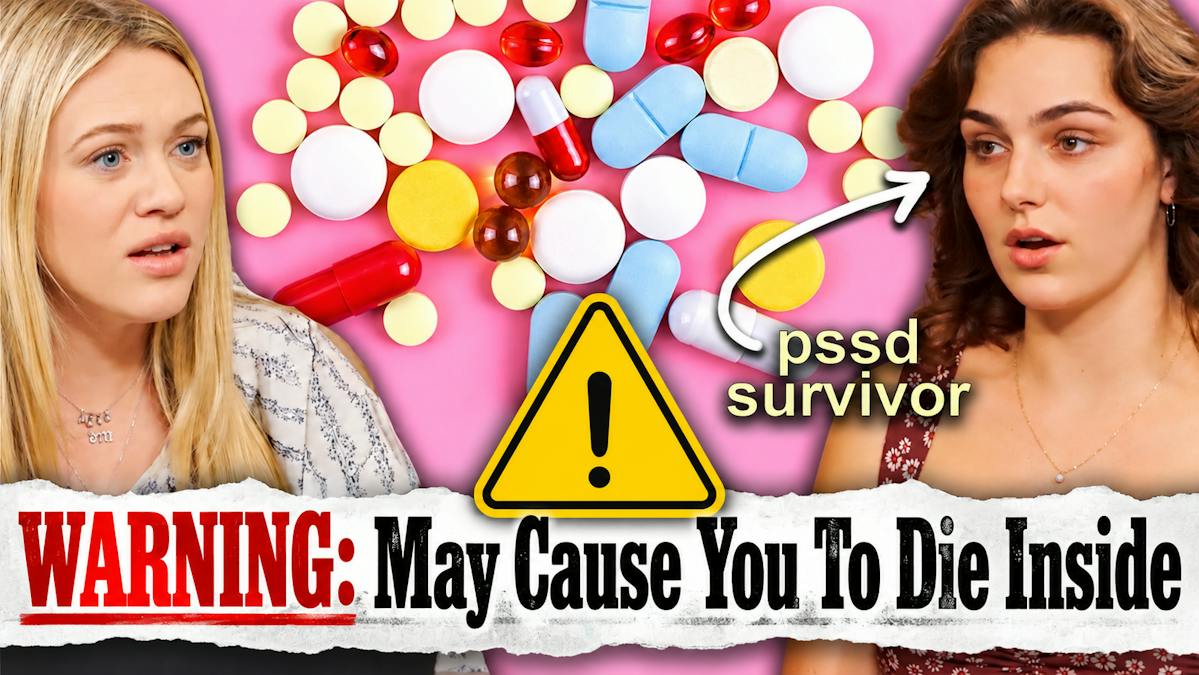
On 2 October, the Daily Wire's Isabel Brown Show released an episode with Lauren Friedman, who says her lasting symptoms began after taking Zoloft (sertraline) as a teenager. She describes losing the ability to feel joy, attraction and love, and explains why she is fighting for better warnings, informed consent and research.
A clip Isabel Brown shared on X was reposted by Elon Musk the next day, and has passed 900,000 views.

In an hour-long episode of The Next Generation released on 26 October, Elliot Bewick sits down with Lauren to talk about what PSSD is, how she developed it, what her brain scan showed, and the rising rates of SSRI prescribing among young people.
Lauren has been speaking out for months, including to government officials at the Mental Health and Overmedicalization Summit in Washington DC in May.
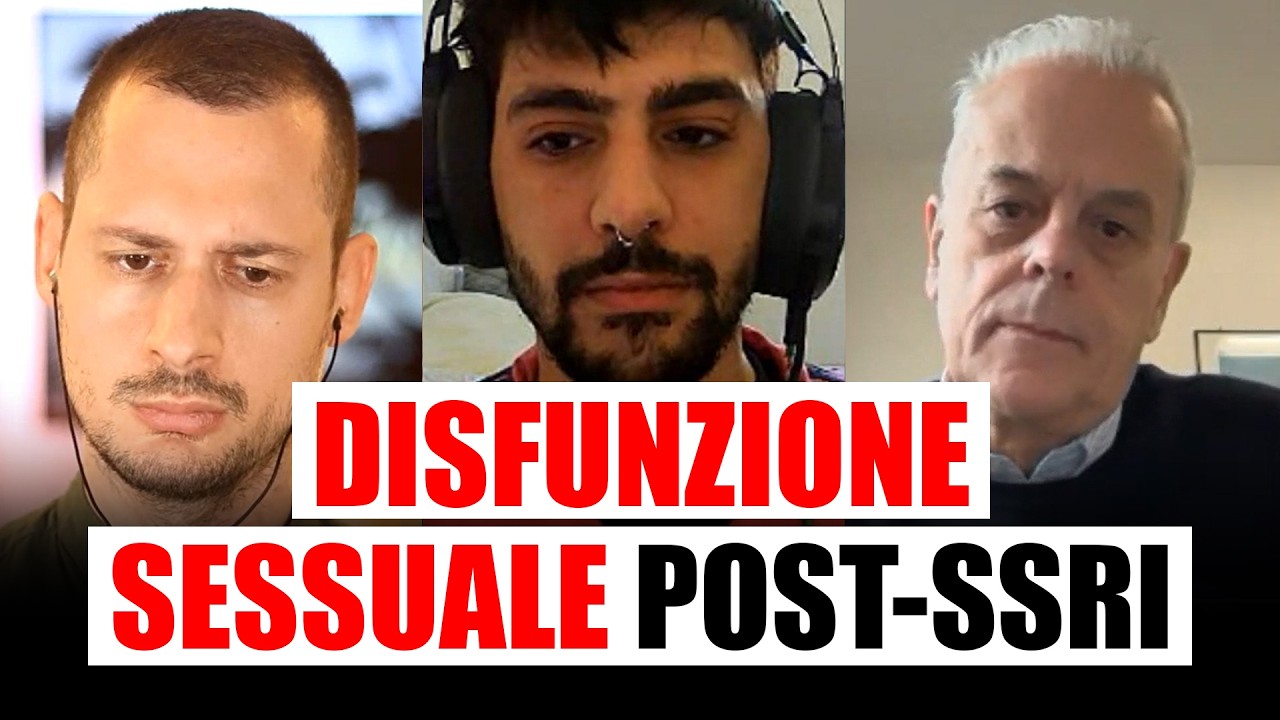
On 27 October, Italian psychologist Marco Crepaldi, whose YouTube channel has around 110,000 subscribers, released an interview about PSSD with Professor Roberto Melcangi of the University of Milan and Francesco, a patient living with the condition.
Professor Melcangi is part of the joint PSSD study with Professors Csoka and Monks that our donations support, so it's good to see his work reaching a wide Italian audience. The video description links to the PSSD Network and SideFX Hub.