

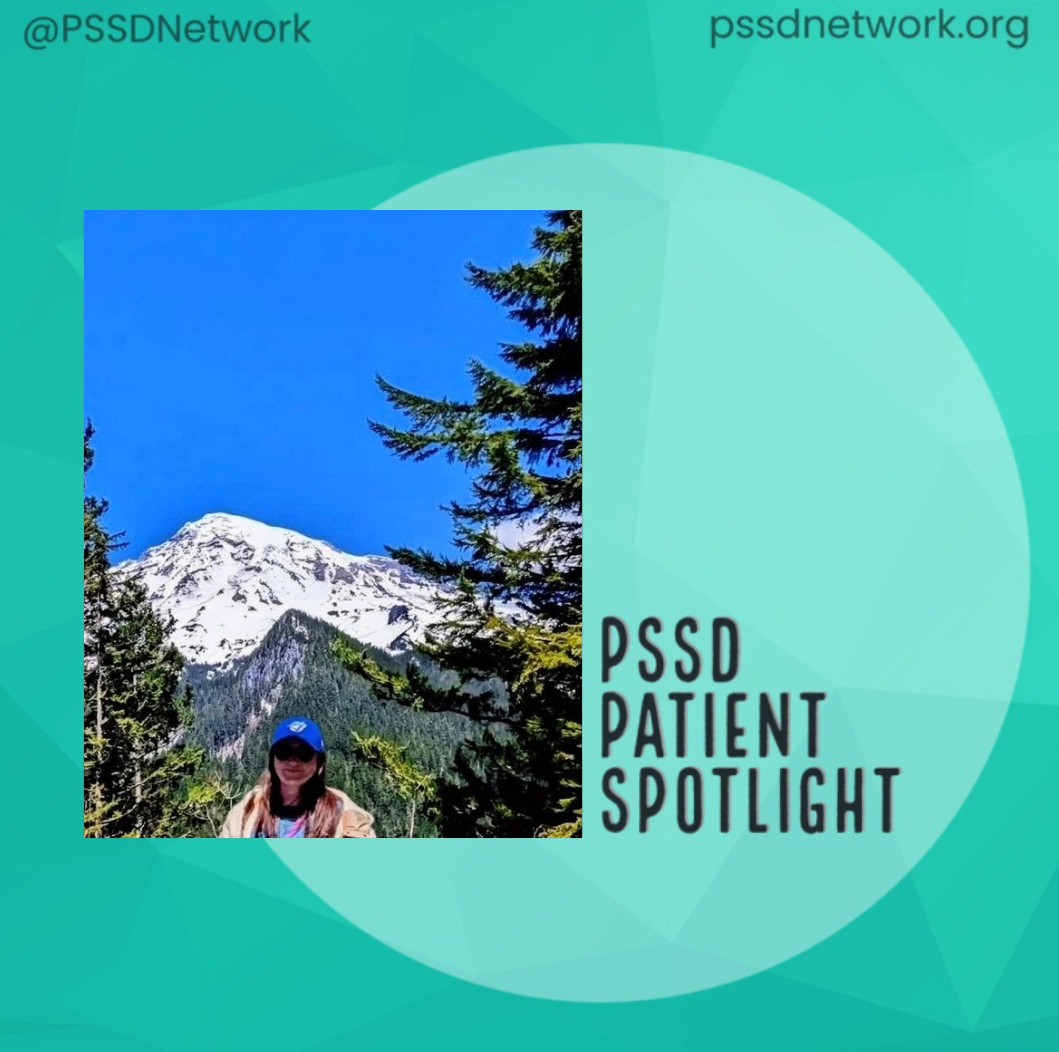
Katie
Age: 34 | UK
“At age 21, I was prescribed Fluoxetine by my family doctor as I was at the lowest point in my life for the first time. My low mood was the result of a bad life experience that I needed to talk to someone about. I was in the depths of a dark and vulnerable place, and in no state to make a decision about my future – not that I was given the luxury of being consulted; I was not informed about the potential side effects of Fluoxetine. I could barely get out of bed, because I was struggling with the death of a friend, previously dropping out of university, coming to terms with my sexuality – I am (or was) a lesbian – and I was also, unknowingly at the time, a survivor of child sexual abuse.
Despite my serious emotional state, my condition was recorded as ‘generalized anxiety disorder’ at the time I was prescribed Fluoxetine. This was one of the first steps taken by the doctor, so I had been taking it for around 6 months before any real counseling. Initially, I felt an improvement in mood in the first few months, but I also noticed my feelings of desire and sexual thoughts had gone away. At the time, I didn’t think much of this and I was grateful for the relief from confusion and sadness I experienced relating to my feelings towards a woman I was attracted to at the time. Soon, this would disappear entirely. I also described emotional numbness and felt that, although I couldn’t feel sadness, I was also unable to feel excitement or happiness. I also noticed that I had gained 5 stone, and my self-esteem plummeted.
I sensibly tapered off the medication after a year when I realized it was the cause of my weight gain, and then I started to lose weight. The following year, I went back on the medication for 6 months. At this time, I told my doctor I had sexual dysfunction, and she said it’s due to ‘low mood and self esteem’ (even though I had never experienced sexual dysfunction in the depths of my depression). She also said to wait until I was in a relationship to work on this, but I have never been in a long-term relationship due to my feelings of attraction vanishing and sexual dysfunction caused by Fluoxetine.
I’m now 34. Following this second 6 month period, I experienced a three-year withdrawal period; a total loss of sexual function, desire and emotion, as well as irregular menstrual cycles, loss of sensation, concentration issues, and insomnia. I lost 6 stone and developed an eating disorder. Repeatedly, I went to the doctors with my symptoms and they were dismissed, put down to childhood trauma, or palmed off with an offering of more pills. My self-image was completely disrupted.
Eventually, I took Fluoxetine again for another year (on the max dose, which wasn’t necessary) to experience relief from the withdrawal symptoms, and began to put weight back on again. During this time I sued my abuser and saw a psychiatrist as part of the legal case, as I was led to believe that PTSD was the cause of my symptoms. Although I discussed my sexual issues, the psychiatrist did not make the connection between sexual dysfunction and SSRIs, and recommended that I should take SSRIs for the rest of my life. Around two years after this (SSRI-free) I began to experience a partial return in sexual and emotional feelings (with sexual dysfunction still consistent), and began to question where it had gone over the years. I started speaking to my therapist about how I wanted to get back to the person I was pre-2012 and didn’t understand why I went from having feelings and experiencing emotion, hope, excitement, and attraction as much as the next person, to being completely detached and numb.
In telling doctors I don’t want to take SSRIs, I was prescribed Amitriptyline and Buspirone for headaches and insomnia. I stopped taking these after a matter of months due to heart-related side effects. I began to research other side effects of medication I had taken, and discovered PSSD in my research. I began to join the dots; everything I had discussed in therapy over the years which had remained a mystery became clear. While I did experience a window of partial recovery, this has since faded. I now have to seek (and fund) further treatment to not only deal with the sexual side (which is limited at this stage), but also the trauma of my family doctor giving me a pill that destroyed my sexual, emotional, mental health, and social development at such a young age.
I also discovered that sex offenders are to be given SSRIs in prison in the UK as part of a chemical castration strategy; the difference being, prisoners are offered the choice, which I didn’t get, to decline the procedure. This adds a layer of deep irony - I am living the consequences my abuser never got, while he is free to live a normal life. It also made my ‘coming out’ experience complicated and my personal life basically impossible to navigate, with only a few (failed) short-term relationships in my entire adult life.”